


When Emotions Eat Your Diet
Why Emotional Triggers Sabotage Weight Loss—and What You Can Do About It
By Richard W. Schmidt, RDN

If you’ve ever tried to lose weight, you already know the two most common prescriptions: eat fewer calories and exercise more. From a science standpoint, that advice makes perfect sense. Weight loss ultimately comes down to managing energy balance.
But after more than 45 years of working with weight-loss clients, I’ve learned something that many programs overlook:
Emotions often eat the diet before calories do.
Emotional eating triggers are one of the most powerful—and underestimated—reasons people struggle with weight loss. When stress hits, logic takes a back seat while comfort food grabs the wheel.
And sometimes, it drives for days.
As I often remind my clients—and readers of my book You Can’t Outrun That Brownie—you can’t simply exercise your way out of emotional eating. Understanding the numbers behind food, and the emotions behind eating, is essential for long-term success.
The Calorie Avalanche of Emotional Eating
Let’s look at a situation I’ve seen many times in weight-loss classes.
A stressful event occurs—maybe work pressure, a family disagreement, or a disappointing number on the scale. In response, someone turns to stress eating or binge eating for comfort.
What begins as one evening of overeating can easily stretch into several days.
Let’s say that person consumes an additional 3,000 calories per day during a week of emotional eating.
That equals:
3,000 extra calories × 7 days = 21,000 calories
Since roughly 3,500 calories equals about one pound of fat, that binge could theoretically lead to:
21,000 ÷ 3,500 = 6 pounds
But that’s not the whole story.
Most binge foods—pizza, chips, fast food, desserts—are high in sodium, which causes water retention. That can add another 1–2 pounds on the scale.
Suddenly the scale might read eight pounds higher than the week before.
And when people see that number, many respond the same way:
“I’m done.”
The weight-loss journey often stops—not because of one week of overeating—but because the emotional reaction to that week becomes overwhelming.
Common Emotional Eating Triggers
Over the years, my students have shared many situations that triggered emotional eating episodes. Some are major life events, while others are everyday frustrations.
Common emotional eating triggers include:
- Death of a loved one
- Loss of a job
- Financial stress
- Conflict with a spouse or friend
- Disappointment with scale results
- Minor car accidents
- Negative comments from a boss or coworker
- Cancelled vacation plans
- Feelings of boredom, loneliness, anger, or sadness
The emotional responses to these events often include stress, fear, frustration, or sadness.
So why do people turn to food?
Because certain foods provide temporary comfort. Foods high in sugar, fat, and salt stimulate pleasure centers in the brain and create short-term relief.
Unfortunately, once the comfort fades, two things remain:
- The original emotional stress
- Feelings of guilt about overeating
That combination can make weight loss feel even harder.
Why “Just Get Back on Track” Isn’t Enough
After an episode of emotional eating, people often hear this advice:
“Just get back on track.”
While well-intentioned, that advice can feel unrealistic when someone is dealing with stress or disappointment.
We also know that emotional hunger is different from physical hunger.
Physical hunger develops gradually and can be satisfied with many foods. Emotional hunger appears suddenly and usually craves specific comfort foods.
And in today’s environment, those foods are easier to access than ever.
Even if your kitchen is organized for healthy eating, food delivery apps can bring comfort food to your door within minutes—any time of day.
Let’s face it:
No one binge eats a pound of carrots.
But a pint of ice cream? That can disappear quickly.
A Question I Always Ask My Weight-Loss Classes
When I teach a weight-loss group, I often start with a simple question:
“Does anyone here eat more food when something upsets them?”
Almost every hand goes up.
While the amount of binge eating varies, one feeling is consistent across the room:
Failure.
This is where my approach differs from many traditional weight-loss programs.
Instead of pretending emotional eating will never happen, I teach people to expect it.
Not encourage it—expect it.
Because when you expect something, you can prepare a strategy for managing it.
Turning Emotional Eating Into a Solvable Problem
One of the most powerful tools I teach is Food Information Literacy—understanding the calorie content of foods and beverages.
When someone tells me they’ve had a binge episode, I ask one simple question:
“How many calories do you think you overate?”
People often respond with numbers like:
- 5,000 calories
- 15,000 calories
- 25,000 calories
When they give me that number, I say something that surprises them.
“Excellent.”
They usually look puzzled.
Why would overeating thousands of calories be excellent?
Because now we have an objective problem to solve.
Emotions are subjective and difficult to measure. Numbers, however, are clear and manageable.
If someone overeats 15,000 calories, we can design a plan to gradually offset those calories through adjustments in food intake and physical activity.
The situation shifts from:
“I failed.”
to
“I have a problem I can solve.”
That mental shift is incredibly empowering.
A Philosophy That Changes Perspective
Over the years, I’ve developed a phrase that many of my clients remember long after our sessions end:
“You can be out of control of your eating—but still be in control of your weight.”
That statement surprises people, but it reflects reality.
Human beings are emotional creatures. Stress and unexpected life events will always occur.
The key to sustainable weight loss isn’t perfection—it’s having strategies that help you recover quickly when life gets messy.
And as I discuss in You Can’t Outrun That Brownie, understanding the calorie consequences of our food choices is one of the most powerful tools we have for regaining control.
The Three Circles of Successful Weight Loss
I often explain my weight-management philosophy using three overlapping circles, similar to a Venn diagram.
Each circle represents a critical part of the weight-loss process.
Circle A: Food Information Literacy
Understanding calories in foods and beverages.
Circle B: Exercise Prescription
Consistent physical activity to support energy balance and health.
Circle C: Emotional Trigger Strategies
Practical tools to cope with stress without sabotaging progress.
Where these three circles overlap is what I call the Sweet Spot.
That center space is where sustainable weight loss and long-term health improvements happen.
If one circle is missing, success becomes much harder.
You might understand calories but ignore emotional triggers.
You might exercise regularly but overlook nutrition.
Or you might manage stress but lack awareness of calorie intake.
The magic happens when all three work together.
Final Thoughts: Building Resilience Around Food
Emotional eating triggers are not a sign of weakness. They are part of being human.
The goal is not to eliminate emotional responses—that’s impossible.
The goal is to prepare for them.
When you combine calorie awareness, physical activity, and emotional coping strategies, you build a system that can handle life’s inevitable ups and downs.
When you live in that center overlap—the Sweet Spot—you’re not just losing weight.
You’re building resilience, confidence, and lasting health.
And that’s something truly worth chewing on.
You can explore my approach in more detail in You Can’t Outrun That Brownie, or continue learning through the resources and articles available on my website.
Get the Newsletter: “Chew on This”
Pizza lovers welcome. Bi-weekly emails on weight loss, ultra-processed foods, and building habits that actually stick, from a Registered Dietitian Nutritionist who practices exactly what he preaches.
About the Author
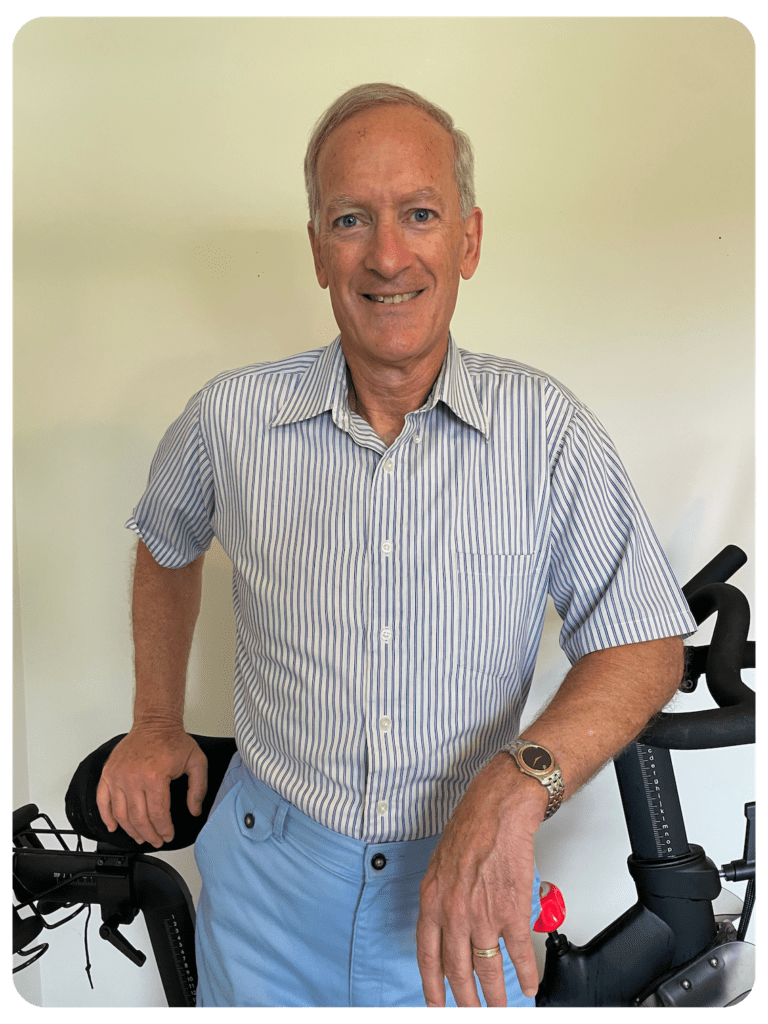
Richard W. Schmidt, RDN, is the author of You Can’t Outrun That Brownie and a Registered Dietitian Nutritionist who lost over 30 pounds in his fifties and has maintained that loss for more than 15 years. He teaches sustainable weight loss through portion control, frequency awareness, and structured annual exercise prescriptions.


