


Excess Protein and Blood Sugar Concern. The 58% Protein Secret:
By Richard W. Schmidt, RDN
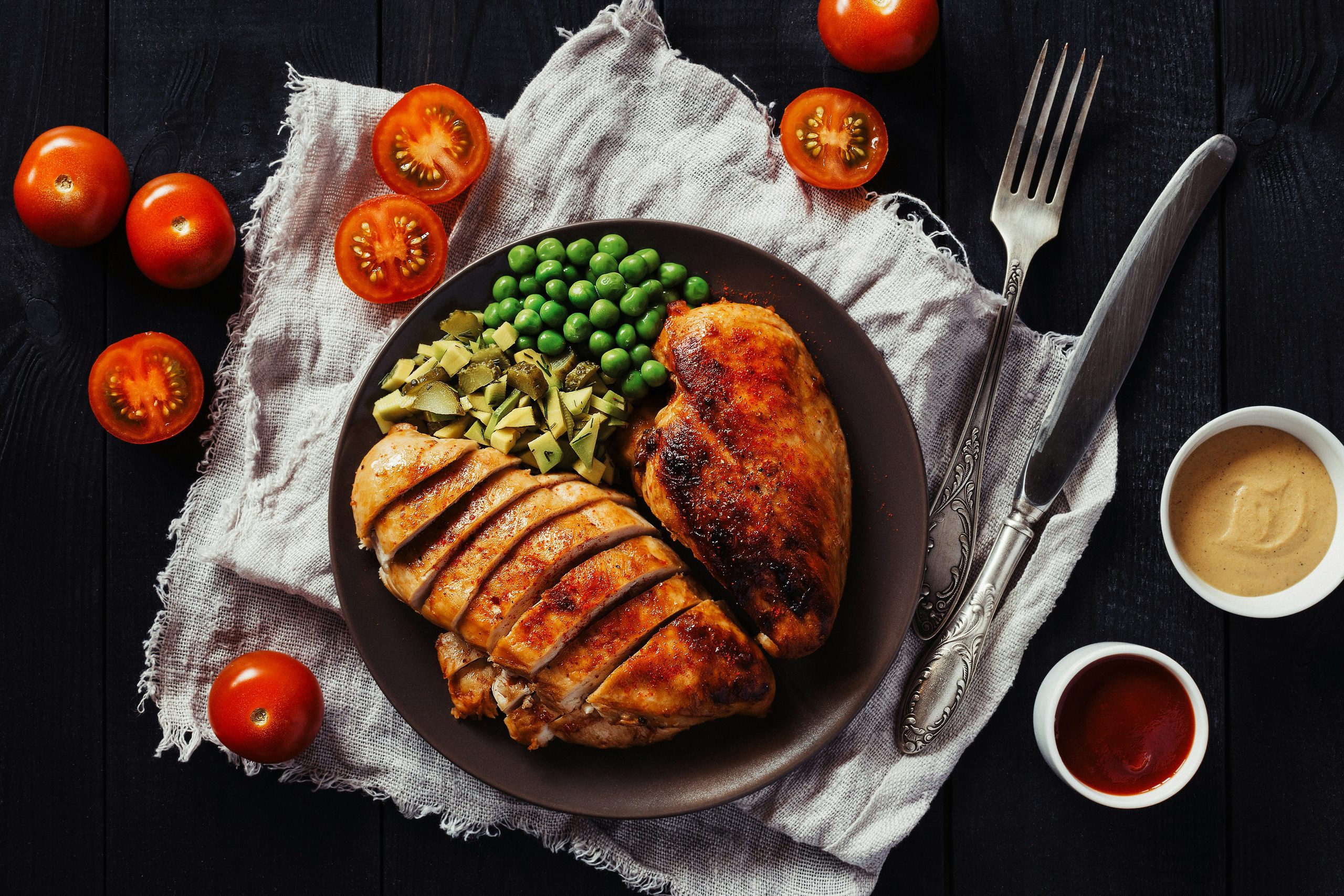
How eating excess protein and blood sugar are connected—and possibly interfere with your weight-loss efforts?
The 58 percent protein secret…excess protein and blood sugar levels have a direct connection. Does excess protein raise blood sugar? It can if it is not used for it varied functions…read on.
If you are taking a GLP-1 medication such as Ozempic, Wegovy, Mounjaro, or Zepbound for type 2 diabetes or weight loss, you have probably heard the same advice over and over:
“Eat more protein.” Protein is not the same villain as carbohydrates and fat…right? Can protein really raise blood sugar when not needed for its normal functions? These are valid concerns when looking to lose weight.
And there is a good reason for that advice. Is eating excess protein and blood sugar levels connected?
Protein helps maintain muscle, supports tissue repair, contributes to immune function, and can help you feel satisfied after eating. During weight loss—particularly rapid weight loss—protecting lean muscle is extremely important.
But there is a problem when good advice turns into “more is always better.”
Protein is not a free food. It has four calories per gram and remember many protein sources contain fat at nine calories per gram.
Your body needs protein. But once your protein needs are met, eating substantially more does not automatically mean you will build more muscle or lose more body fat.
And here is where the story gets interesting.
A significant portion of dietary protein contains glucogenic amino acids—amino acids whose carbon skeletons can be used by the body to make glucose through a process called gluconeogenesis.
One commonly cited biochemical estimate is that approximately 58% of dietary protein can be considered glucogenic.
That does not mean that 58% of every protein meal immediately becomes blood sugar.
The real story is much more complicated—and much more interesting.
What Does the 58% Protein Number Really Mean?
Back in my college biochemistry classes, we learned that the body does not simply throw away extra amino acids.
Unlike carbohydrates, which can be stored as glycogen, and fat, which can be stored in adipose tissue, the body does not have a dedicated storage tank for excess dietary protein.
Protein is broken down into amino acids.
Those amino acids can be used to build and repair body tissues, produce enzymes and hormones, and perform many other essential functions.
But what happens when you eat more protein than your body needs at that moment?
The amino acids have to go somewhere.
Some of their carbon skeletons can be used for energy or converted into other compounds. Glucogenic amino acids can contribute to glucose production through gluconeogenesis, primarily in the liver.
That is where the famous 58% number comes from.
Glucogenic Does Not Mean “Instant Sugar”
This distinction is important.
If you eat a chicken breast, your body does not simply say:
“Chicken equals sugar.”
Your metabolism is far more sophisticated than that.
Gluconeogenesis is regulated by your body’s energy demands, hormones, glycogen stores, insulin, glucagon, activity level, and overall diet.
So the better question isn’t:
“Does protein turn into sugar?”
The better question is:
“What does my body do with excess protein?”
That is the question worth asking.
Does Excess Protein Raise Blood Sugar?
This is where things get especially interesting for people with diabetes or insulin resistance.
Protein can affect blood glucose, but the effect is not as simple as eating a carbohydrate and watching your blood sugar rise quickly.
Protein can stimulate insulin secretion and influence hormones involved in glucose regulation. In some situations, eating protein with carbohydrate can actually reduce the immediate blood-glucose response to the meal.
At the same time, certain amino acids can provide substrates for gluconeogenesis.
So protein is not automatically “bad” for blood sugar.
But neither is it metabolically invisible.
If you consistently consume far more protein than your body needs—especially while also consuming excess calories—the additional protein still contributes energy to your overall calorie intake.
And if your goal is weight loss, that matters.
The “More Protein Is Better” Trap
This is where I see people get into trouble.
They hear:
“Protein protects muscle.”
So they decide:
“If some protein is good, a lot must be better.”
Suddenly the day includes a protein shake at breakfast, a high-protein bar for a snack, a giant chicken breast at lunch, another shake after exercise, a high-protein dinner, and perhaps a protein dessert before bed.
That may be far more protein than necessary.
Protein has calories.
Four calories per gram, just like carbohydrate.
So while protein is extremely valuable during weight loss, excess protein is not a calorie-free loophole.
Excess Protein and Blood Sugar. Why This Matters With GLP-1 Medication
GLP-1 medications have changed the weight-loss conversation.
Medications such as Wegovy and Zepbound can dramatically reduce appetite and food intake. That can make losing weight easier for many people.
But weight loss is not simply about watching the number on the scale go down.
What you lose matters.
If you lose body fat while maintaining as much lean muscle as possible, that is a very different outcome from losing substantial amounts of both fat and muscle.
That is why protein deserves a prominent place in a GLP-1 nutrition plan.
But there is another issue.
GLP-1 medications can slow gastric emptying, particularly early in treatment and depending on the medication and individual response.
For some people, this means food seems to sit in the stomach longer.
That can contribute to feelings of fullness, nausea, bloating, reflux, or discomfort.
Now imagine eating a very large meal loaded with protein and fat when your appetite is already reduced and your stomach is emptying more slowly.
You may discover that more protein is not necessarily more comfortable—or more beneficial.
Protein, Digestion and the “Too Full” Feeling
One of the most common mistakes I see is confusing protein quality with protein quantity.
You don’t necessarily need a mountain of protein at every meal.
A better approach is to distribute your protein throughout the day.
Instead of trying to consume a huge amount in one sitting, think:
Protein + fiber + reasonable portions + consistency.
That combination is much more useful for long-term weight management.
And if a large steak leaves you feeling like you swallowed a bowling ball, perhaps the answer isn’t another steak.
It may simply be a smaller portion.
So How Much Protein Do You Need?
There is no single protein number that is perfect for everyone.
Your needs depend on factors such as age, body size, physical activity, health status, kidney function, weight-loss goals, and total calorie intake.
For many adults trying to lose weight, a practical starting point is to include a moderate serving of high-quality protein at each meal rather than attempting to consume enormous amounts of protein at once.
For some people, approximately 25–30 grams of protein per meal can be a useful meal-planning target.
But that is a starting point—not a prescription for everyone.
If you have diabetes, kidney disease, or another medical condition, your protein needs should be individualized with your healthcare professional or registered dietitian nutritionist.
Don’t Forget the Other Half of the Equation
Protein gets all the attention these days.
But protein isn’t the only nutrient that matters.
Fiber matters.
Vegetables matter.
Fruit matters.
Whole grains can matter.
And resistance exercise matters enormously when your goal is to preserve muscle while losing weight.
Think of weight loss as a team sport.
Protein is one important player.
It is not the entire team.
The Real Goal: Lose Fat, Protect Muscle
This is especially important for anyone using a GLP-1 medication.
Your goal should not simply be:
“How low can I get the number on the scale?”
A better question is:
“How can I lose excess body fat while protecting as much muscle as possible?”
That requires more than medication.
A nutrition strategy is required.
Appropriate protein intake is paramount.
Physical activity, particularly resistance training when appropriate a must.
And it requires paying attention to the total amount of food you’re eating—not simply counting protein grams.
The Bottom Line: Protein Is Powerful—But It Isn’t Free
Protein deserves its reputation as an important nutrient for weight loss.
It helps support muscle, satiety and suports countless functions throughtout the body.
But more protein is not automatically better.
The “58%” number is a reminder of an important biochemical reality: amino acids can contribute to glucose production through gluconeogenesis.
But don’t misunderstand the science.
Eating protein does not mean that 58% of your meal instantly turns into blood sugar.
Your body regulates glucose production according to its needs.
The bigger lesson is this:
Don’t turn protein into another “all-you-can-eat” food simply because you’re trying to lose weight.
If you’re taking a GLP-1 medication and your weight loss has stalled, don’t automatically assume you need another protein shake.
Look at the whole picture.
How much are you eating?
Research excess protein and blood sugar
How much protein are you actually getting?
How much fiber?
Are you doing resistance exercise?
Are your portions appropriate?
And are you eating because you’re hungry—or because someone told you that more protein is always better?
After decades as a Registered Dietitian Nutritionist, I’ve learned that successful weight loss rarely comes down to one magic food or one magic number.
It’s the combination of the right foods, the right portions, and the right habits—repeated consistently.
You don’t need to fear protein.
You just need to stop treating it like it’s free.
Chew on This
If you’re trying to lose weight, taking a GLP-1 medication, or simply trying to make sense of today’s confusing nutrition advice, I created Chew on This to make nutrition science easier to understand—and a lot more fun.
Subscribe to my free newsletter at richardwschmidt.com and get practical nutrition insights you can actually use.
And remember: You Can’t Outrun That Brownie—or outsmart your metabolism—but you can learn how to work with both
You can explore my approach in more detail in You Can’t Outrun That Brownie, or continue learning through the resources and articles available on my website.
Get the Newsletter: “Chew on This”
Pizza lovers welcome. Bi-weekly emails on weight loss, ultra-processed foods, and building habits that actually stick, from a Registered Dietitian Nutritionist who practices exactly what he preaches.
About the Author

Richard W. Schmidt, RDN, is the author of You Can’t Outrun That Brownie and a Registered Dietitian Nutritionist who lost over 30 pounds in his fifties and has maintained that loss for more than 15 years. He teaches sustainable weight loss through portion control, frequency awareness, and structured annual exercise prescriptions.


