


Sustainable Weight Loss With or Without GLP-1 Medication
By Richard W. Schmidt, RDN

GLP-1 medications have changed the weight-loss conversation.
Drugs like semaglutide and tirzepatide — sold under brand names such as Ozempic, Wegovy, Mounjaro, and Zepbound — reduce appetite, slow gastric emptying, and help many people lose significant weight.
As a Registered Dietitian Nutritionist who lost over 30 pounds in my fifties and has maintained that loss for more than 15 years, I have a balanced perspective:
GLP-1 medications can be powerful tools.
But they are not a complete strategy.
Whether you use medication or not, sustainable weight loss still depends on habits that outlast prescriptions.
Let’s talk about what that means.
What GLP-1 Medications Actually Do
GLP-1 receptor agonists work by:
- Increasing satiety (you feel full sooner)
- Reducing hunger signals
- Slowing digestion
- Helping regulate blood sugar
For many patients, this results in:
- Reduced portion sizes
- Fewer cravings
- Steady weight loss
For individuals struggling with obesity or metabolic disease, these medications can be life-changing.
But here’s the important question:
What happens when the medication stops?
The Missing Piece: Behavioral Structure
Medication reduces appetite.
It does not teach:
- How to manage portion size long-term
- How often to eat high-calorie foods
- How to structure exercise for maintenance
- How to transition off medication (if that occurs)
Studies consistently show that when GLP-1 medications are discontinued, weight regain is common if lifestyle changes were not fully established.
That’s not a failure of the medication.
It’s a reminder that physiology and behavior must work together.
Sustainable Weight Loss Is Not About Extremes
In my book, You Can’t Outrun That Brownie, I teach a concept many people overlook:
You don’t have to eliminate the foods you love.
You have to manage:
- Portion size
- Frequency
This principle applies whether you are:
- Using GLP-1 medication
- Considering starting one
- Transitioning off one
- Or choosing not to use medication at all
Sustainability comes from consistency — not from intensity.
If You Are Using GLP-1 Medication
Here is how I advise patients to think about it:
1. Use Reduced Appetite as a Training Window
When hunger is naturally lower, practice:
- Eating slowly
- Choosing balanced meals
- Leaving food on the plate
- Planning indulgences intentionally
Medication gives you leverage.
Use it to build structure.
2. Maintain Protein and Strength Training
Rapid weight loss can include muscle loss.
Preserving lean mass is critical for long-term metabolic health.
Exercise is not optional.
It is foundational.
3. Think Beyond the Injection
Ask yourself:
- What habits will remain if the medication stops?
- What structure will protect your results?
Weight maintenance requires strategy — not hope.
If You Are Not Using GLP-1 Medication
You can still lose weight sustainably.
The fundamentals remain:
- Modest calorie awareness
- Portion reduction
- Reduced frequency of high-calorie foods
- Structured exercise
- Daily presence in decision-making
Medication changes appetite signals.
It does not change physics.
Energy balance still matters.
The Role of Exercise in Both Scenarios
Exercise serves two major purposes:
- Helps reach goal weight sooner
- Expands food flexibility during maintenance
I teach an annual exercise prescription model — setting yearly calorie expenditure targets (50,000–100,000 calories) rather than obsessing over daily fluctuations.
Why annual?
Because long-term thinking builds long-term results.
Exercise should:
- Support your eating structure
- Improve health markers
- Increase confidence
- Protect muscle mass
It should not be punishment for eating.
The Real Goal: Long-Term Maintenance
Most people focus intensely on weight loss.
Few prepare for maintenance.
Whether you use GLP-1 medication or not, long-term success requires:
- Realistic expectations
- Sustainable food patterns
- Planned indulgences
- Ongoing physical activity
- Self-monitoring
At 69 years old, I no longer chase rapid results.
I protect stability.
And stability comes from systems.
Common Questions About GLP-1 and Sustainable Weight Loss
Can I rely on medication alone?
Medication can initiate weight loss, but without habit development, maintenance is difficult.
Will I regain weight after stopping?
Regain risk increases if structured eating and exercise patterns were not built during treatment.
Is it “cheating” to use medication?
No.
Medical therapy is a legitimate treatment option for obesity, just as it is for hypertension or diabetes.
The key is pairing medical treatment with behavioral strategy.
My Balanced Position as an RDN
I support evidence-based use of GLP-1 medications.
I also believe:
- Sustainable weight loss requires personal engagement.
- Exercise remains essential.
- Portion and frequency control are timeless principles.
- Maintenance deserves as much planning as weight loss.
The goal is not simply losing weight.
The goal is keeping it off — calmly, confidently, and without extremes.
The Bottom Line
GLP-1 medications can reduce hunger.
They cannot replace habits.
Whether you choose medication or not, sustainable weight loss depends on:
- Managing portion size
- Managing frequency
- Maintaining structured exercise
- Thinking long-term
Medication may open the door.
But your daily decisions determine whether you stay inside.
You can explore my approach in more detail in You Can’t Outrun That Brownie, or continue learning through the resources and articles available on my website.
Get the Newsletter: “Chew on This”
Pizza lovers welcome. Bi-weekly emails on weight loss, ultra-processed foods, and building habits that actually stick, from a Registered Dietitian Nutritionist who practices exactly what he preaches.
About the Author
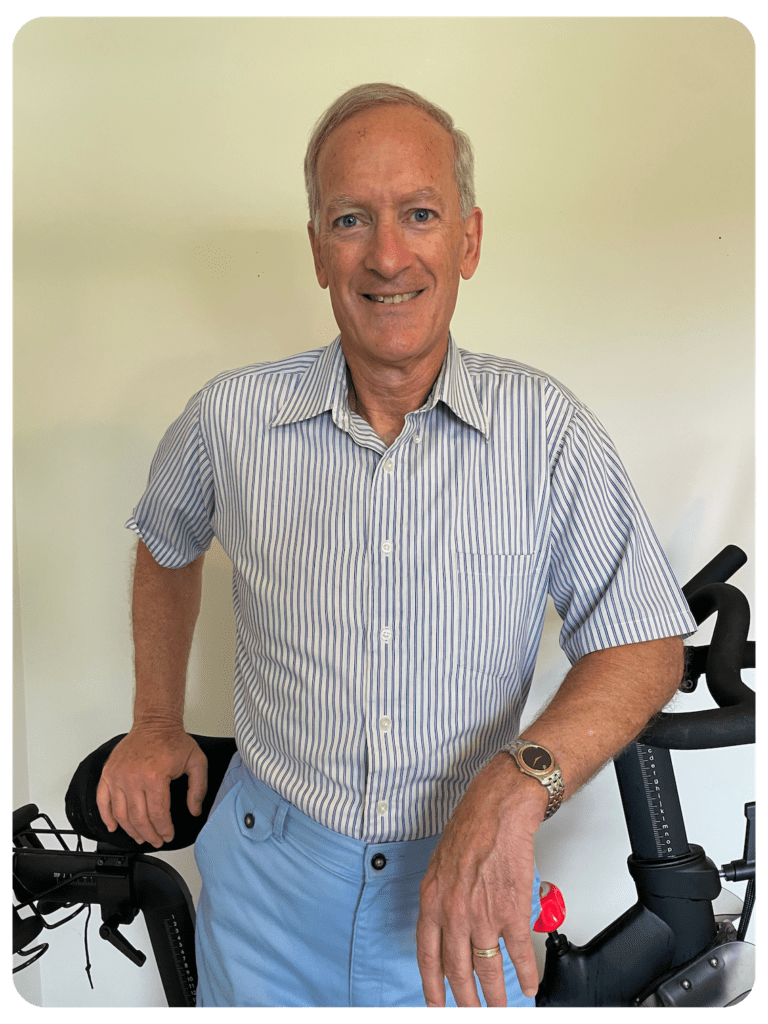
Richard W. Schmidt, RDN, is the author of You Can’t Outrun That Brownie and a Registered Dietitian Nutritionist who lost over 30 pounds in his fifties and has maintained that loss for more than 15 years. He teaches sustainable weight loss through portion control, frequency awareness, and structured annual exercise prescriptions.


